
How to Identify Authentic Vintage Sports Clothing
Finding genuine vintage sports clothing can be a rewarding experience for collectors, fashion enthusiasts, and anyone who appreciates the history behind athletic wear. However, spotting real vintage pieces among reproductions and fakes requires a keen eye and some knowledge. This guide will help you recognize authentic vintage sports clothing by focusing on key details, materials, and craftsmanship.

Check the Fabric and Materials
One of the first clues to authenticity lies in the fabric. Vintage sports clothing often uses materials that differ from modern fabrics. For example:
Wool and cotton blends were common in older sports jackets and sweaters.
Nylon and polyester appeared later, mostly in the 1970s and 1980s.
Look for natural fibers that feel heavier and less stretchy than modern synthetic blends.
Feel the texture and weight of the fabric. Authentic vintage pieces usually have a sturdier feel due to the manufacturing standards of their time. Thin, flimsy materials often indicate reproductions.
Inspect the Stitching and Construction
The way a garment is sewn reveals much about its origin. Vintage sports clothing was often hand-finished or made with industrial machines that left distinct stitching patterns.
Double stitching and reinforced seams are signs of durability.
Check for single-needle stitching on hems and collars, which is typical of older garments.
Look for any signs of wear consistent with age, such as slight fraying or fading, but avoid pieces with modern machine stitching that looks too perfect.
Seams that are uneven or use modern thread types may indicate a replica or altered garment.
Examine Labels and Tags
Labels provide valuable information about the garment’s age and authenticity.
Older labels often have simple logos or text printed on fabric tags.
Look for brand names that were popular in the era the clothing claims to be from.
Check for country of origin; many vintage sports clothes were made in the USA, Europe, or Japan.
Be cautious of tags that look brand new or have modern fonts and materials.
Sometimes, labels may be missing or damaged on genuine vintage items, so use this as one of several clues rather than the sole factor.

Look for Authentic Design Details
Vintage sports clothing often features design elements that reflect the era’s style and technology.
Zippers: Older garments may have metal zippers with brand names like Talon or YKK stamped on them.
Buttons: Check for natural materials like horn or metal, rather than plastic.
Logos and patches: Authentic vintage pieces may have embroidered or sewn-on patches rather than printed logos.
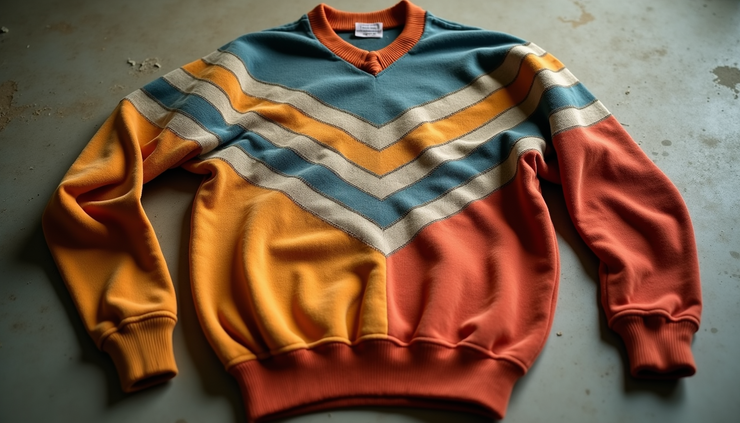
Color palettes: Vintage sportswear often uses muted or classic colors rather than neon or overly bright shades.
Compare the garment’s design with reference images from catalogs, magazines, or trusted vintage clothing websites to confirm its era and authenticity.
Assess Wear and Patina
Genuine vintage clothing shows signs of age that are difficult to fake convincingly.
Look for natural fading in areas exposed to sunlight.
Check for wear marks on cuffs, collars, and seams.
Smell the fabric; older garments sometimes have a distinct scent from storage or materials.
Avoid pieces that look artificially distressed or have inconsistent wear patterns.
Wear and patina add character and confirm the garment’s history.
Verify Provenance When Possible
If you are buying from a seller or store, ask about the garment’s history.
Where was it sourced?
Does the seller have any proof of age or origin?
Are there any original receipts, photos, or tags included?
Provenance can add confidence to your purchase and sometimes increase the garment’s value.
Use Technology to Your Advantage
For serious collectors, technology can help verify authenticity.
Use a magnifying glass to inspect stitching and fabric closely.
Ultraviolet light can reveal modern dyes or repairs.
Online forums and communities often share detailed knowledge and can help identify specific brands or eras.
Final Thoughts
Authentic vintage sports clothing offers a unique blend of style, history, and quality. By focusing on fabric, stitching, labels, design details, and wear patterns, you can confidently spot real vintage pieces. Take your time to research and compare items, and don’t hesitate to ask questions when buying. The thrill of finding a genuine vintage sports garment is worth the effort and adds a special story to your wardrobe.

Comments